
- HOME
- DINING CHAIR
- ABOUT
- Products
- NEWS
- PROJECT
- DOWNLOAD
- CONTACT US
Views: 0 Author: Site Editor Publish Time: 2026-05-26 Origin: Site
Quick answer:
The perfect seating arrangement balances aesthetics and function, acting as a standalone statement piece or complementary addition to a room. For optimal results, buyers should match the upholstery to the room's color palette, ensure proper scale alongside existing furniture, and prioritize ergonomic support for long-term comfort.
Furnishing a living space requires strategic decision-making to balance visual appeal with daily functionality. Many homeowners struggle to fill empty corners or awkward room layouts without overcrowding the floor plan. Selecting the right standalone pieces can transform an unused alcove into a highly practical reading nook or conversation area.
Jiangmen L&G Furniture Co., Ltd, founded in 2014 in Guangdong, China, has built a reputation around solving these exact interior design challenges. The manufacturer specializes in Nordic style furniture that emphasizes clean lines, regional sourcing, and sustainable production methods. Understanding how these high-quality pieces fit into a broader design strategy helps consumers make smarter purchasing decisions.
By thoughtfully evaluating room dimensions and daily usage habits, buyers can identify furnishings that provide lasting value. For instance, incorporating a well-crafted occasional chair instantly elevates a room's aesthetic while offering comfortable seating for guests. This comprehensive guide outlines the best practices for selecting, styling, and maintaining premium home furniture.
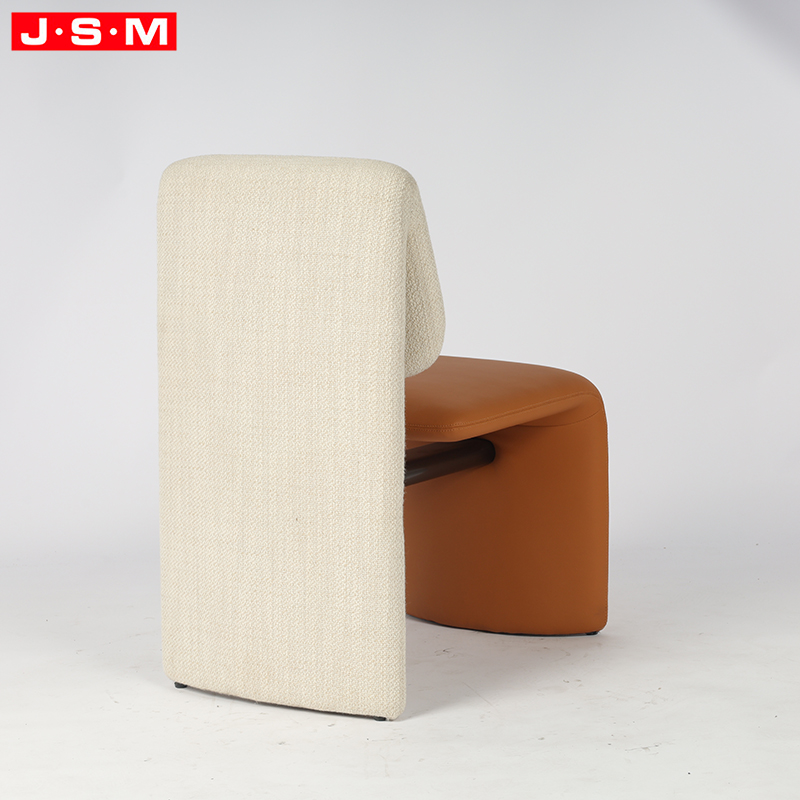

Understanding the distinction between various furniture categories prevents costly interior design mistakes. Manufacturers categorize seating based on intended use, ergonomic structure, and spatial requirements. A dining seat features a higher seat pan and upright backrest to align with standard table heights, whereas living room furnishings sit lower to the ground to promote relaxation.
When planning a room layout, it helps to compare the core attributes of common furniture styles. The table below outlines the general specifications for standard household seating options.
Furniture Category | Primary Function | Typical Placement | Key Design Feature |
Armchair | Extended relaxation | Living room, Bedroom | Padded armrests and deep seat |
Dining Seat | Upright support | Dining room, Kitchen | Straight backrest, no armrests |
Bar Stool | Elevated seating | Kitchen island, Bar area | Tall base, integrated footrest |
Bench | Multi-person seating | Hallway, End of bed | Elongated frame, backless design |
Successful interior design relies on harmony between primary furniture, such as large sectionals, and secondary accent pieces. To achieve a cohesive look, homeowners must pay attention to fabric textures, structural shapes, and color palettes. Mixing materials adds depth to a room, preventing the space from looking flat or overly uniform.
Decision criteria play a vital role during the selection process. Choose a fabric finish if soft tactile comfort matters more than stain resistance. Conversely, opt for top-grain leather if long-term durability and easy maintenance are your primary concerns. Pairing a structured sofa with a plush ottoman couch provides a visually interesting contrast while maximizing comfort.
Scale and proportion also dictate how well pieces blend together. Placing a massive, overstuffed seat next to a delicate, glass-topped side table creates an uncomfortable visual imbalance. Always measure the height and width of existing furniture to ensure new additions align smoothly within the established spatial hierarchy.
Durability and structural integrity separate premium furnishings from fast-furniture alternatives. High-quality manufacturers prioritize solid frame construction, utilizing kiln-dried hardwoods or reinforced metal bases to prevent warping over time. Jiangmen L&G Furniture Co., Ltd pursues regional sourcing and sustainability without compromise, ensuring that the materials used meet strict safety and environmental standards.
The internal support systems also determine the lifespan of a furnishing. Premium options feature sinuous spring systems or webbed suspensions that distribute weight evenly, preventing the cushion from sagging after a few months of use. High-density foam cushions wrapped in down or synthetic fibers provide the ideal balance of firmness and surface softness.
For maximum relaxation in an open living area, a dedicated Lounge chair built with these robust internal materials will outlast cheaper alternatives by several years. Inspecting the joinery, stitching details, and material certifications before purchasing guarantees that the product will withstand daily wear and tear.


Upgrading your home interior does not require a complete structural renovation. By carefully selecting standalone furniture pieces that align with your lifestyle, you can dramatically improve both the flow and function of your living space. Start by measuring your available floor area and identifying the specific functional gaps in your current layout.
Once you establish your spatial requirements, review the material options that best suit your daily routine. Prioritize manufacturers that value sustainable production and exceptional craftsmanship. Taking these deliberate steps ensures your interior spaces remain comfortable, stylish, and highly practical for years to come.
The price of premium furniture varies based on materials, manufacturing location, and brand reputation. Generally, solid wood frames and genuine leather upholstery command higher prices than engineered wood and synthetic fabrics. Buyers should view these pieces as long-term investments that reduce the need for frequent replacements.
Standard ready-to-ship items typically arrive within a few weeks, depending on the supplier's inventory and logistics network. Custom-built or made-to-order Nordic style furnishings often require a lead time of six to twelve weeks to accommodate careful manufacturing and quality control processes.
Low-cost upholstery frequently utilizes low-density foam and synthetic fabrics that degrade quickly under regular use. This leads to flattened cushions, frayed seams, and structural instability. Investing in higher-tier materials ensures the furniture retains its shape and aesthetic appeal over a much longer period.
Nordic style furniture is ideal for homeowners who appreciate minimalist design, natural materials, and high functionality. Because this style emphasizes clean lines and neutral tones, it seamlessly integrates into both modern apartments and traditional homes without overwhelming the existing decor.
