
- HOME
- DINING CHAIR
- ABOUT
- Products
- NEWS
- PROJECT
- DOWNLOAD
- CONTACT US
Views: 0 Author: Site Editor Publish Time: 2026-11-26 Origin: Site
Small footprints and flexible layouts have changed what furniture buyers expect from a single piece of seating. An occasional chair used to be an afterthought—something tucked into a corner for guests who rarely sat down. Today, it's often the centerpiece of a living room, a hotel lobby, or a boutique café, chosen as much for its silhouette as its comfort.
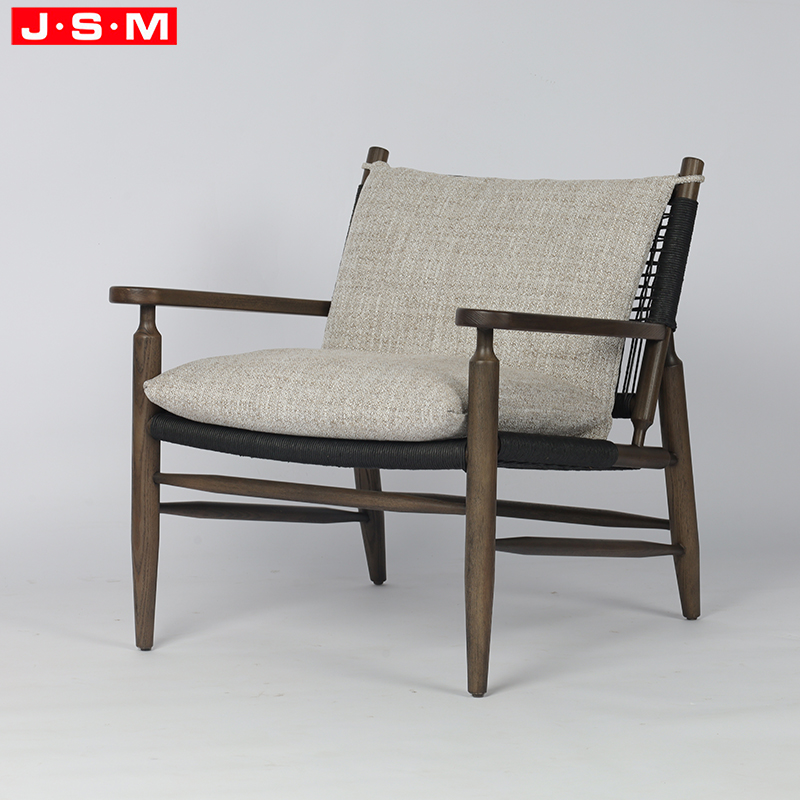
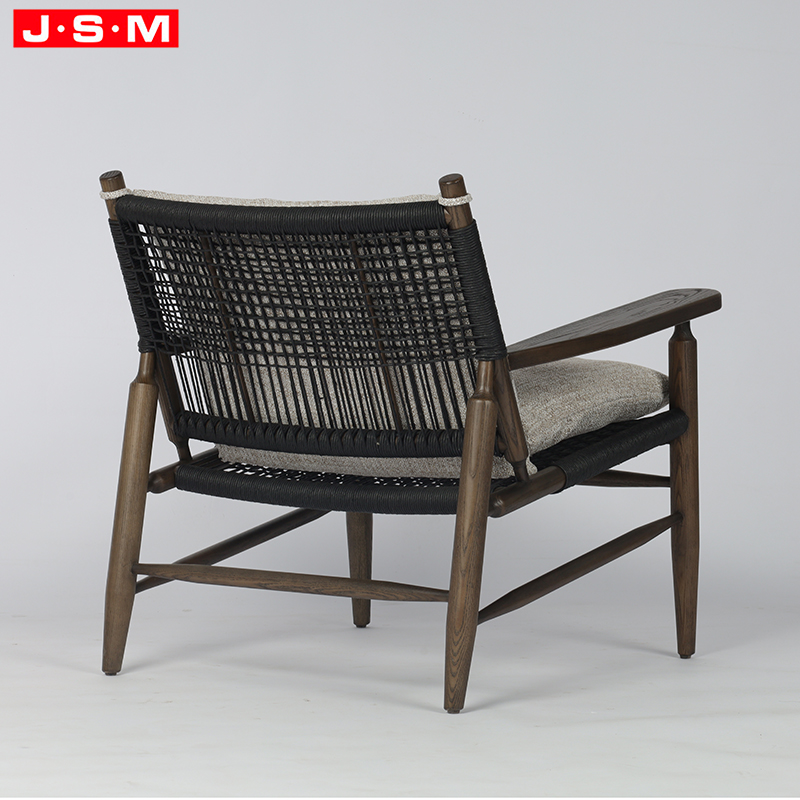
This shift matters for furniture buyers, interior designers, and hospitality procurement teams alike. As floor plans shrink and multi-purpose spaces become the norm, a single chair now has to do more work: it needs to look intentional, hold up to daily use, and fit a brand's aesthetic without dominating the room. Understanding what separates a well-made accent seat from a disposable one can save buyers from costly reorders and inconsistent inventory.
Residential units are getting smaller in most major cities, and commercial spaces—co-working lounges, boutique hotels, restaurant waiting areas—are being designed with flexibility in mind. Furniture that can be moved, reconfigured, or doubled up for extra guests has become a practical necessity rather than a luxury.
Buyers increasingly want pieces that punch above their size. A well-proportioned chair can anchor a reading nook, soften the corner of a reception desk, or add warmth to a sterile hallway. The best designs achieve this through careful scaling: slightly lower seat heights, tapered legs, and frames that read as light even when the upholstery is substantial.
Fabric trends shift from season to season, but one material has stayed consistently popular in commercial and upscale residential settings: leather. A leather armchair ages well, resists daily wear better than many textiles, and carries a visual weight that signals quality without requiring ornate detailing. For hospitality buyers furnishing high-traffic areas, that durability translates directly into lower replacement costs over a property's lifecycle.
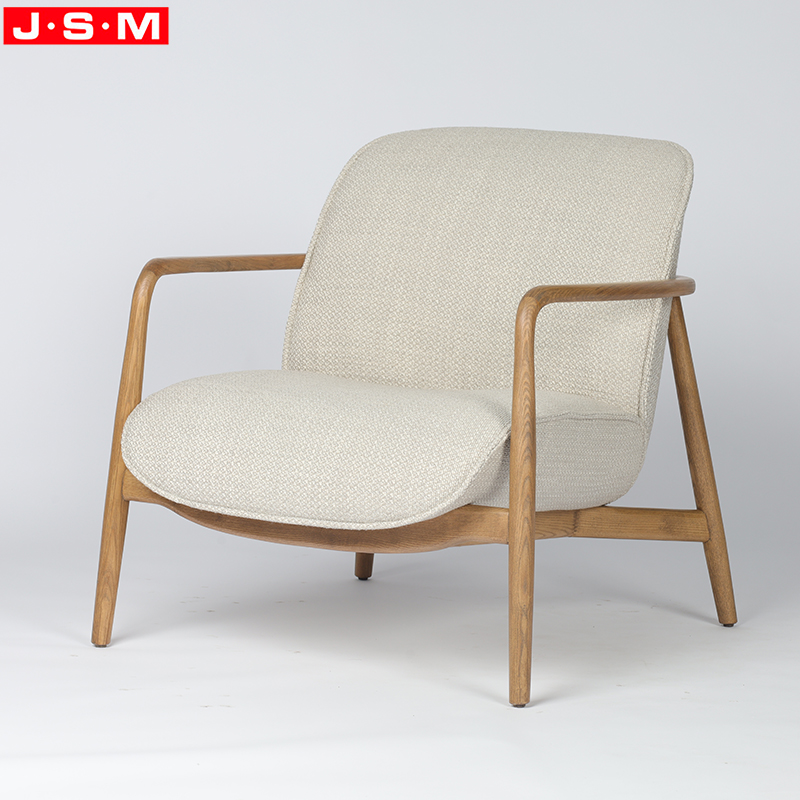
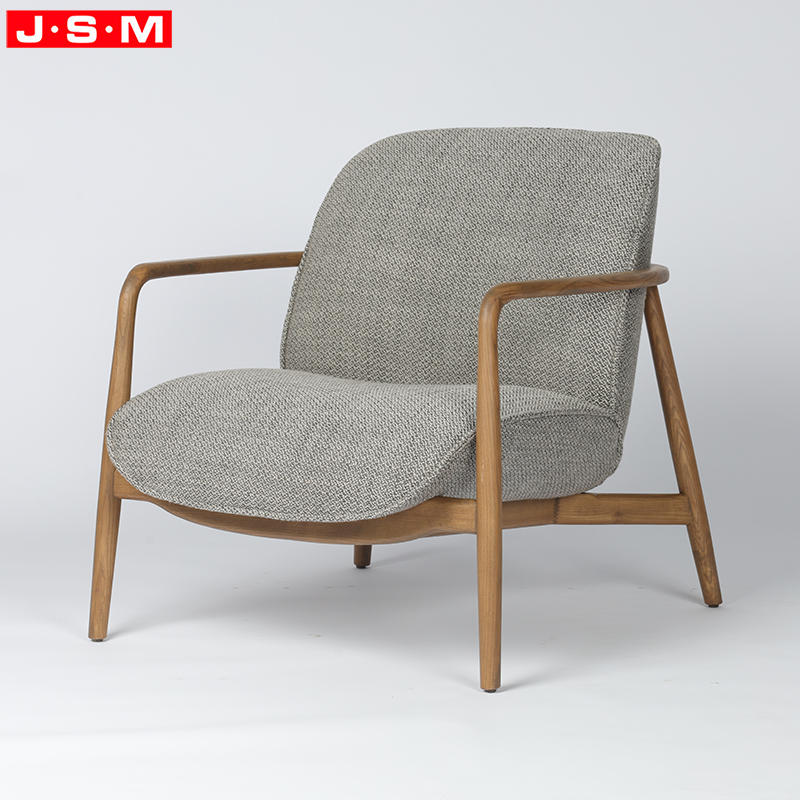
Not every accent piece on the market is built for repeated use. Buyers sourcing in volume—whether for a hotel chain, a restaurant group, or a retail showroom—need to look past surface appearance and evaluate frame construction, joinery, and the quality of the foam or padding underneath the upholstery.
A chair's frame determines whether it survives years of daily sitting or starts wobbling within months. Kiln-dried hardwood frames, reinforced corner blocks, and properly glued (not just stapled) joints are the details that separate furniture meant for commercial rotation from pieces designed for a single season of retail sales.
This is where sourcing from an established factory becomes a genuine advantage rather than a marketing line. Jiangmen L&G Furniture Co., Ltd, based in Guangdong Province, China, has specialized in leisure seating and related furniture since 2014, building a production process built around consistent quality control across large order volumes. For buyers placing bulk orders for hotel groups or retail chains, that kind of manufacturing discipline reduces the risk of batch-to-batch variation—a common headache when working with smaller, less experienced suppliers.
Scandinavian design principles—clean lines, natural materials, understated proportions—have proven remarkably durable as a style trend because they age well. Unlike more ornate or trend-driven looks, Nordic-influenced seating tends to stay relevant across multiple renovation cycles, which matters for commercial buyers who don't want to refurnish every few years.
A well-designed accent seat should feel just as comfortable in a minimalist apartment as it does in a hotel lounge. This versatility comes from restrained detailing: simple tapered legs, neutral tones, and upholstery choices that complement rather than compete with the surrounding décor. It's also why a general-purpose chair designed with this philosophy can transition between dining areas, waiting rooms, and residential living spaces without looking out of place.
Buyers are also paying closer attention to where materials come from and how responsibly they're sourced. Regional sourcing and sustainable material selection have become standard expectations rather than premium add-ons, particularly for commercial clients furnishing properties that market themselves on environmental credentials.
The table below summarizes how different accent seating styles typically perform across the factors buyers care about most: cost, durability, and best-fit application.
Seating Style | Typical Material | Durability Rating | Best Suited For |
|---|---|---|---|
Upholstered accent seat | Fabric or blended textile | Moderate | Residential living rooms, light-use lounges |
Leather-upholstered lounge seat | Genuine or faux leather | High | Hotels, offices, high-traffic hospitality areas |
Molded or shell-style seat | Wood, plastic, or metal composite | Moderate to high | Cafés, waiting areas, casual dining |
Upholstered dining-adjacent seat | Fabric with wood or metal frame | Moderate | Multi-purpose rooms, small apartments |
This kind of comparison is especially useful for procurement teams weighing upfront cost against long-term maintenance. A slightly higher initial investment in leather-upholstered seating, for example, often pays off within two to three years of heavy commercial use.
For designers and procurement teams working on hospitality or retail projects, the decision isn't just about picking a style that photographs well. It's about partnering with a manufacturer capable of delivering consistent quality across hundreds or thousands of units, on a timeline that fits project deadlines.
Jiangmen L&G Furniture's factory experience with Nordic-style leisure chairs, bar stools, and related seating gives it an established production workflow for exactly this kind of volume order. For buyers evaluating suppliers, questions worth asking include: How is quality control handled across production batches? What's the typical lead time for bulk orders? And does the factory offer design flexibility for custom upholstery or finishes?
Getting these answers upfront, before committing to a large order, tends to prevent the supply chain headaches that come from working with manufacturers who haven't scaled their quality processes alongside their production capacity.
Furniture trends will keep shifting, but the fundamentals of good seating—solid construction, materials suited to their environment, and proportions that work across different spaces—don't change nearly as fast. Buyers who prioritize these fundamentals over fleeting style trends tend to get more value out of every piece they purchase, whether they're furnishing a single apartment or a 200-room hotel.
For anyone currently evaluating suppliers or planning a furniture refresh, the smartest next step is comparing a few finished pieces in person or through detailed product specifications before committing to a full order. Material samples, frame diagrams, and clear production timelines reveal far more about long-term quality than photos alone ever can.
