
- HOME
- DINING CHAIR
- ABOUT
- Products
- NEWS
- PROJECT
- DOWNLOAD
- CONTACT US
Views: 0 Author: Site Editor Publish Time: 2026-07-14 Origin: Site
For furniture retailers, interior designers, and commercial buyers, few product categories generate as many customer service inquiries—or as much confusion—as the humble ottoman. A piece that looks like a footrest often gets used as a seat, and when it fails, the result is a disappointed customer, a returned item, and a hit to your brand's reputation. The question isn't whether an ottoman can be sat on; it's whether the one you're selling was built for it.
The short answer is yes—most modern ottomans are structurally capable of supporting an average adult's weight. The longer answer, however, is where purchasing decisions get complicated. Not every ottoman shares the same internal frame, materials, or load-bearing design. Some are engineered purely as decorative footrests; others are constructed as legitimate seating alternatives. The difference affects not just customer satisfaction, but return rates, liability, and long-term product performance.
This guide breaks down the construction details that separate a decorative accent from a reliable seating solution. We'll cover the most common ottoman styles—traditional stools, cocktail ottomans, sectional extensions, and storage designs—and outline what to look for in frame construction, cushion density, and weight capacity. Whether you're sourcing for a hospitality project, specifying for a commercial interior, or stocking a retail showroom, you'll leave with a clear framework for selecting pieces that deliver both style and structural integrity.
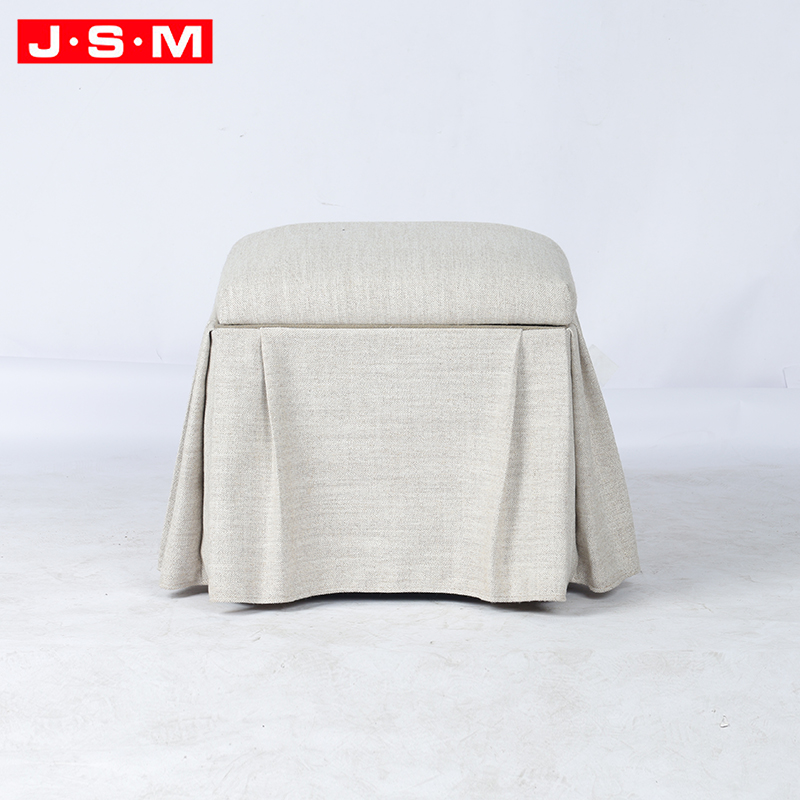

When evaluating whether an ottoman can serve as a seating option, the upholstery tells you very little. The internal frame is what determines load-bearing capacity and long-term durability. High-quality frames are typically constructed from kiln-dried solid hardwood, engineered wood, or welded steel—materials that resist bowing, cracking, or joint failure under repeated use. For commercial applications or high-traffic residential settings, these structural choices are non-negotiable.
On the other end of the spectrum, decorative poufs and lightweight accent pieces often lack any rigid internal structure. They are fabric shells filled with foam beads, polyester fiber, or cotton batting. While these work well as casual footrests or floor pillows, they compress significantly under adult weight and offer no ergonomic support for seated use. In a retail or hospitality context, selling or specifying these for seating purposes almost guarantees customer dissatisfaction and premature product failure.
For buyers seeking a dependable seating solution, prioritize an ottoman stool with a clearly defined internal frame and sturdy leg construction. A raised design with four solid wood or metal legs typically signals a frame engineered for substantial loads. Always verify manufacturer specifications—reliable products will list a maximum weight capacity, typically ranging from 200 to 300 pounds for well-constructed units. For contract-grade or commercial orders, request detailed frame specifications and test reports to confirm the product meets your performance requirements.
If you plan to use your furniture as a frequent seating option, the cushion density matters just as much as the frame. A plush, overly soft cushion feels great under your heels but can create an uncomfortable sitting experience. When you sit on a highly compressible surface, you sink too far down, throwing off your posture and making it difficult to stand back up.
For seating purposes, high-density foam provides the best balance of comfort and support. It retains its shape under pressure and resists sagging over time. Tufted tops also help maintain the structural integrity of the cushion, preventing the fabric from stretching and wrinkling after repeated use.
Homeowners love versatile furniture because it maximizes available space. If you frequently host gatherings, choosing the right style ensures you always have enough seats for everyone.
Cocktail ottomans are large, flat-topped pieces that often replace traditional coffee tables. Because of their wide surface area and sturdy frames, they excel at providing extra seating. Two or three people can comfortably perch on a large cocktail ottoman during a party. When the guests leave, you simply place a decorative tray back on top to hold your drinks and books.
Many modular seating arrangements include matching pieces designed to extend the seating area. An ottoman couch attachment seamlessly aligns with your sofa. These pieces feature the exact same frame construction and foam density as the main couch. Because manufacturers build them as direct extensions of the primary seating, you can sit on them with complete confidence.
We all need more organization solutions in our homes. Furniture that offers a place to sit while hiding clutter is incredibly valuable. Pieces with hollow interiors and lift-up lids serve this exact purpose. They give you a spot to stash blankets, remote controls, and board games out of sight.
However, a hollow center means the internal structure differs from a solid piece. When shopping for an ottoman storage box, pay close attention to the hinge mechanism and the thickness of the lid. The lid must bear the entire weight of the person sitting on it without bending inward. High-quality storage pieces reinforce the lid with thick engineered wood and heavy-duty hinges to ensure the box remains stable and secure when used as a seat.


To help you make the best decision for your living space, we have broken down the most common types and their ideal uses.
Type | Primary Purpose | Seating Suitability | Key Structural Features |
Traditional Stool | Footrest / Accent piece | Excellent | Solid wood/metal frame, distinct legs, firm high-density cushion |
Cocktail Style | Coffee table alternative | Very Good | Large flat surface, wide reinforced frame, tufted top |
Sectional Extension | Sofa expansion / Lounging | Excellent | Matches sofa frame construction, interlocking clips |
Storage Box | Organization / Hiding clutter | Good | Hollow interior, reinforced lid, heavy-duty hinges |
Fabric Pouf | Casual footrest / Decor | Poor | No rigid frame, soft bead filling, highly compressible |
If you decide to incorporate these versatile pieces into your seating arrangement, keep a few practical tips in mind to maximize comfort and longevity.
Check the Height
Standard dining chairs and sofa seats sit about 18 inches off the ground. If you want your guests to sit comfortably, ensure your ottoman matches this height closely. A piece that sits too low will force the user's knees up toward their chest, causing discomfort after just a few minutes.
Mind the Upholstery
Seating furniture experiences more friction and wear than footrests. If you expect heavy use, opt for durable, easy-to-clean fabrics. Performance weaves, genuine leather, and high-grade faux leather resist tearing and wipe clean effortlessly. Delicate fabrics like silk or loosely woven knits may snag or wear thin quickly when used as daily seating.
Protect the Floor
When a person sits down, they add significant weight to the furniture's legs. This sudden increase in pressure can scratch hardwood floors or leave deep indentations in soft carpets. Always attach felt pads or rubber grips to the bottom of the legs. This simple step protects your flooring and makes the piece easier to slide across the room when you need to rearrange your seating.
You no longer have to drag heavy dining chairs into the living room every time you host a game night or family gathering. By selecting the right multifunctional furniture, you can maintain a beautifully styled room while always having a comfortable place for your guests to sit.
Focus on solid frames, high-density foam, and durable upholstery. Whether you prefer a sleek modern design, a wide cocktail centerpiece, or a clever organizational piece, understanding the construction ensures you get the most value out of your purchase. Take the time to review the specifications of any piece you plan to buy, and you will enjoy a stylish, practical seating solution for years to come.
