
- HOME
- DINING CHAIR
- ABOUT
- Products
- NEWS
- PROJECT
- DOWNLOAD
- CONTACT US
Views: 0 Author: Site Editor Publish Time: 2026-07-21 Origin: Site
TL;DR:
A tea table is one of the most versatile pieces of living room furniture you can own. It anchors seating arrangements, adds surface space, and elevates the overall look of a room. Choose one that complements your chairs, sofa, and décor style for the best results.
Most people spend more time thinking about sofas and lighting than they do about the table sitting right in the center of their living room. That's a mistake. The tea table—sometimes called a coffee table—does more than hold your remote control and morning cup. It defines the layout of your seating area, sets the visual tone of the space, and quietly influences how comfortable and functional your living room actually feels.
Get it right, and the whole room clicks into place. Get it wrong, and even the most expensive sofa can look oddly out of place.
This guide covers how to choose the right tea table for your living room, how it works alongside other key pieces like your seating and storage, and what to look for when shopping for quality furniture that will last.


The living room is where first impressions happen. It's also where you spend a significant portion of your time at home. Every piece of furniture in that room plays a role—and the tea table sits at the center of it all, literally.
Functionally, it gives you a surface within arm's reach of your seating. Aesthetically, it anchors the arrangement. A round tea table softens a room with sharp angles. A rectangular one reinforces structure and order. The material—wood, metal, glass, marble—communicates something about your taste before anyone even sits down.
The tea table also affects traffic flow. Too large, and it crowds the room. Too small, and it looks lost in the space. The general rule is to keep the table height within 1–2 inches of your sofa seat height, and leave at least 18 inches of clearance around it for comfortable movement.
Seating is the starting point for any living room arrangement, so your tea table needs to work with it—not against it. This means thinking about proportion, material, and color simultaneously.
A leather chair, for example, brings warmth and texture to a seating area. Pair it with a tea table in a contrasting material—like a light oak wood top with black metal legs—and you create visual interest without clutter. Match it too closely in color and finish, and the arrangement flattens out.
If your living room uses a mix of upholstered seating and accent chairs, look for a tea table with a design that bridges the gap. Neutral finishes in walnut, black, or white tend to work across a wide range of styles, from Scandinavian minimalism to mid-century modern.
Here's a quick comparison of common tea table materials and their ideal pairings:
Material | Style Match | Best Paired With | Durability |
|---|---|---|---|
Solid wood | Rustic, Scandinavian | Fabric sofas, armchairs | High |
Tempered glass | Modern, minimalist | Metal-framed or leather seating | Medium |
Marble top | Luxury, contemporary | Velvet or linen sofas | High |
MDF with veneer | Budget-friendly, versatile | Most seating types | Medium |
Metal frame | Industrial, modern | Leather or wool upholstery | Very High |
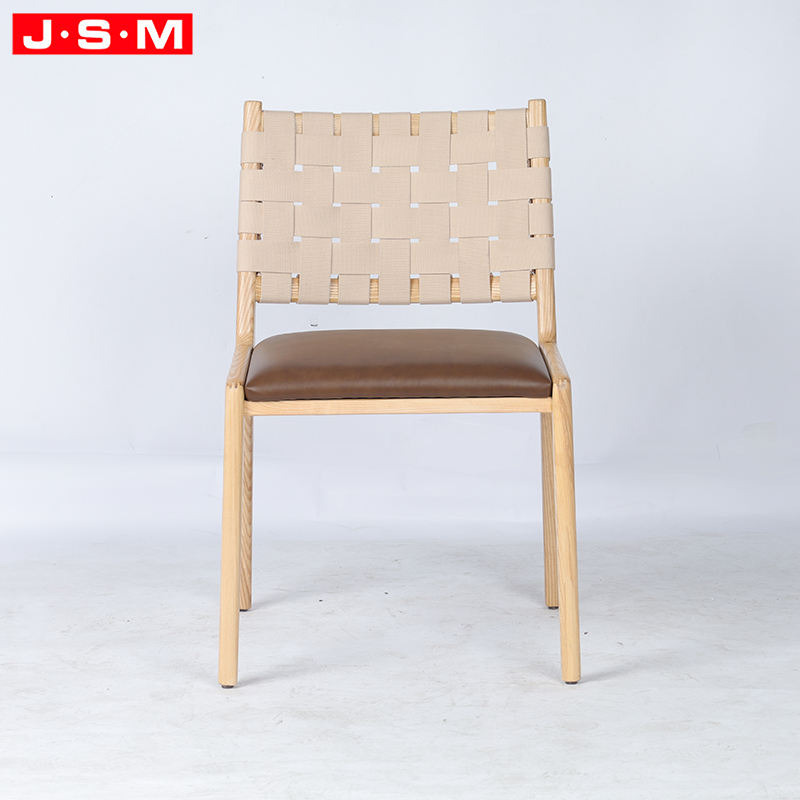

Balance in a living room comes from repetition and contrast working together. Repeating a material—say, black metal in your lamp base, table legs, and shelf frame—creates a thread that ties the room together. Contrast, like a light sofa against a dark accent wall, keeps the eye moving and the space feeling dynamic.
A leather chair is a good example of how a single well-chosen piece can anchor a corner of the room while complementing the central seating area. Position one at a slight angle to the sofa, within reach of a side table or the tea table itself, and you create a natural conversation zone.
Lighting matters here too. A floor lamp behind an accent chair, a pendant above the tea table, and ambient lighting from behind a sofa all work together to make the space feel layered and intentional.
Cheap furniture costs more over time. A tea table that wobbles after two years, or a chair that loses its shape within a season, ends up being replaced—and replacement costs add up. Investing in well-made pieces from a reputable manufacturer pays off in durability, consistency, and design integrity.
Jiangmen L&G Furniture Co., Ltd has been producing quality Nordic-style furniture since 2014, from their base in Jiangmen, Guangdong, China. Their product range spans sofas, armchairs, dining chairs, beds, and tables—all manufactured with regional sourcing and design precision. L&G Furniture works with hotels, office spaces, and residential clients, which speaks to the commercial-grade quality behind each piece.
When evaluating any furniture purchase, consider these factors:
Frame construction: Solid wood or reinforced metal frames outlast particleboard alternatives significantly
Joinery: Dowels, screws, and corner blocks are more durable than staples or glue-only construction
Upholstery grade: Commercial-grade fabrics and genuine leather hold up better under daily use
Finish quality: Look for uniform application with no bubbling, peeling, or uneven staining
Choosing well-made living room furniture from a manufacturer with a proven track record removes the guesswork from these decisions.
Size is determined by the room, not personal preference alone. A 12x14-foot living room calls for a different table than a 20x25-foot open-plan space. Here's a practical framework:
For a standard sofa (84–90 inches wide), a tea table between 48–54 inches long is proportional. For an L-shaped sectional, a larger square or round table—48 inches or more—fills the central space more effectively. For smaller rooms or studio apartments, an oval or round table under 40 inches keeps movement easy without sacrificing function.
Height, as mentioned, should sit within 1–2 inches of sofa seat height. Most sofas seat between 17–19 inches from the floor, making a tea table in the 16–18 inch range a safe default.
What is the difference between a tea table and a coffee table?
The terms are used interchangeably in most markets. Traditionally, a tea table was lower and used for serving tea in Asian and European homes. Today, both refer to the central low table placed in front of a sofa in a living room.
How far should a tea table be from the sofa?
The standard recommendation is 14–18 inches between the sofa and the tea table. This allows easy reach from a seated position without requiring someone to lean far forward or squeeze past when walking through the room.
Can a tea table work in a small living room?
Yes. A round or oval tea table under 40 inches in diameter works well in compact spaces. Avoid sharp corners in tight rooms, and consider a table with a lower shelf for storage to maximize functionality without adding more pieces.
What materials are easiest to maintain for a tea table?
Tempered glass and sealed hardwood are among the easiest to clean. Marble requires sealing to prevent staining. MDF with a lacquer finish is low-maintenance but more susceptible to water damage if the finish is compromised.
Where can I find quality tea tables and living room furniture from a reliable manufacturer?
L&G Furniture (jmgyfurniture.com) offers a wide range of tea tables, coffee tables, and complementary living room pieces, manufactured to commercial quality standards and available for international orders.
A tea table is rarely the most exciting purchase in a living room renovation. But it's often the one that makes everything else make sense. It sets the scale for the seating arrangement, connects the different furniture pieces visually, and serves a practical function every single day.
Choose one that fits the room's proportions, complements your seating style, and comes from a manufacturer you can trust. L&G Furniture has spent over a decade refining their production process to deliver exactly that. Browse their full range at jmgyfurniture.com or contact their team directly to discuss your project.
